
When it comes to your car’s performance, one of the most important components is the car battery. Without it, your car wouldn’t start or run properly. However, over time, batteries degrade, which can leave you stranded with a dead car. Luckily, there are a few simple tips to help extend the life of your car battery and prevent premature failure. Let’s dive into these tips to make sure you get the most out of your battery.
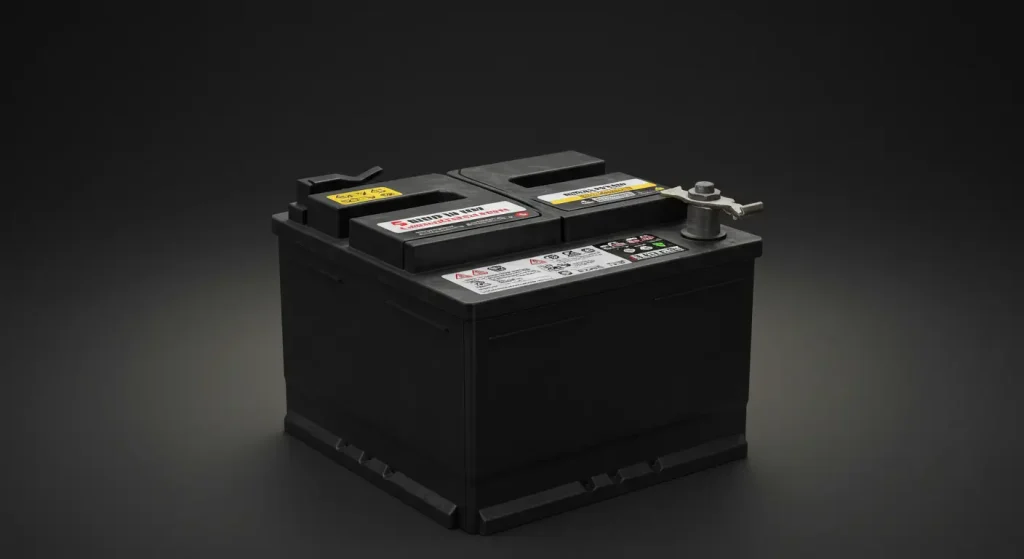
Why Does Your Car Battery Fail?
A car battery can fail for a variety of reasons. Extreme weather conditions, lack of use, and electrical drain are just a few of the common causes. Understanding why your battery fails helps you take proactive measures to prevent these issues from affecting your battery’s lifespan.
Regular battery maintenance can make a huge difference. Here are five simple and practical tips to keep your car battery in top condition and extend its life.
1. Regularly Check Your Battery’s Charge and Clean the Terminals
A well-maintained battery is essential for extending its life. Checking the charge regularly helps identify any issues early. You can use a battery tester to measure the charge, and this tool is readily available at most automotive stores.
Cleaning the terminals is also crucial. Over time, corrosion can build up around the terminals, which hinders the battery’s ability to charge properly. If you notice any buildup, a simple cleaning process can help.
Steps to Clean Your Battery Terminals:
- Turn off your car and remove the keys.
- Disconnect the negative terminal first, followed by the positive terminal.
- Use a mixture of baking soda and water to clean the corrosion off the terminals.
- Reconnect the battery, starting with the positive terminal.
A clean and well-maintained battery is a healthier battery. Regularly cleaning the terminals will help the battery last longer.
2. Drive Your Car Regularly
Did you know that idle cars are a major reason for battery drain? If you don’t drive your car often, the battery doesn’t have a chance to recharge properly. The alternator works when the engine is running, and it’s responsible for recharging the battery.
Even if you don’t use your car every day, it’s essential to drive it regularly to keep the battery in good health. If you leave your car sitting for too long, the battery’s charge can deplete, which may shorten its life.
- Drive for at least 20 minutes once a week to keep your battery charged.
- Avoid short trips when possible, as they don’t allow the alternator to fully recharge the battery.
For drivers managing vehicle transport or logistics, using trusted loadboards can help efficiently coordinate shipments while ensuring your car stays in active use — an important factor in maintaining a healthy battery.
For more tips on maintaining your car’s health, check out our guide on keeping your car in top condition.
3. Check for Electrical Drain
Modern cars are equipped with multiple electronics that can drain your battery when the car is turned off. These can include things like lights, radios, GPS devices, and even USB chargers left plugged in. When these systems continue running after you turn off the car, they draw power from the battery.
To prevent this:
- Always turn off all electrical systems when leaving the car.
- Unplug all devices that are connected to the car, such as phone chargers or dashboard cameras.
Be mindful of electrical systems that might be draining your battery. Over time, this drain can lead to a weak battery and eventually a dead one.
4. Avoid Extreme Temperatures
Temperature extremes are one of the biggest threats to your car’s battery. Hot weather can cause the liquid inside the battery to evaporate, while cold temperatures slow down the battery’s chemical reactions.
To protect your battery:
- In hot weather, try to park your car in a shaded area or in a garage to keep the battery cool.
- In cold climates, use a battery insulation kit or a battery blanket to protect it.
Keeping your battery at a moderate temperature ensures that it works efficiently, no matter the season.
5. Replace the Battery When Needed
Even with the best maintenance, all car batteries have a lifespan. Typically, a battery will last anywhere from 3 to 5 years. After this period, the battery’s ability to hold a charge significantly decreases, even if it has been well maintained.
It’s important to watch for signs that your battery needs to be replaced:
- Slow starts: If your car takes longer than usual to start, it could be a sign that the battery is losing charge.
- Dimming lights: When the lights dim, it means the battery isn’t holding a charge properly.
If you notice these symptoms, it’s time to check the condition of your battery and consider replacing it.
Conclusion: Easy Maintenance for Longer Battery Life
Taking care of your car battery doesn’t have to be complicated. With simple habits like regular battery checks, cleaning the terminals, driving your car regularly, minimizing electrical drain, and protecting the battery from extreme temperatures, you can significantly extend its life.
Replacing the battery on time when necessary will also keep you from running into problems down the road. Your battery is essential for your car’s operation, so give it the attention it needs to keep your car running smoothly for years to come.
For more expert tips, check out our article on maintaining your car’s health.